Full-range spring supply
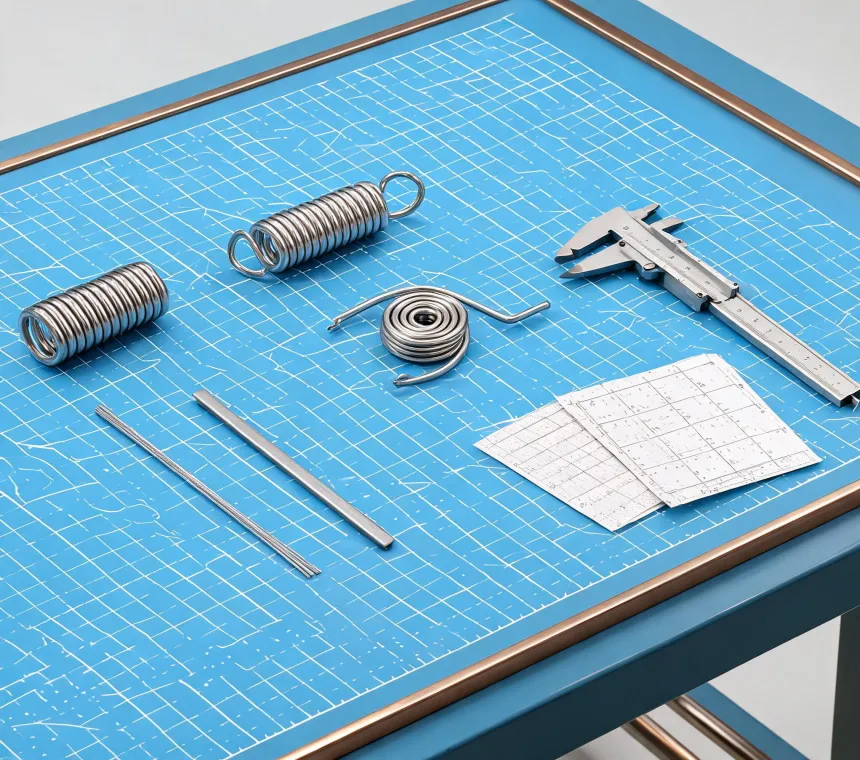
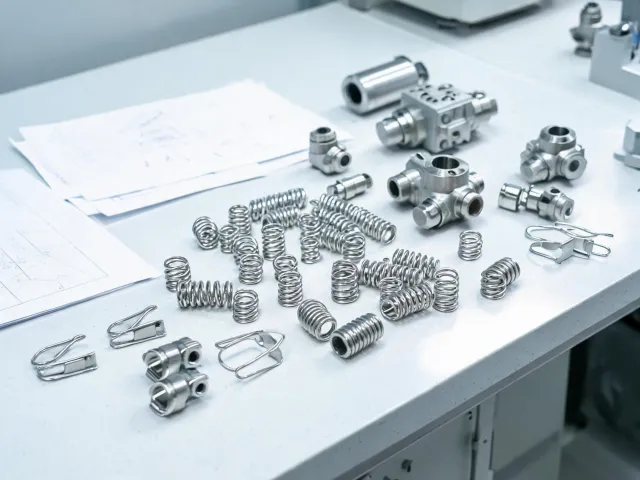
Catalog parts, engineered springs and wire forms move through a disciplined path: define the load, verify the material, confirm the envelope and prepare the order details buyers need before a line stop becomes expensive.
Application cards
Lee Spring content is organized around how a part behaves in the finished system: cycling, preload, temperature, exposure, finish and packaging constraints.
Side-by-side fit
| Decision point | Catalog spring path | Custom wire form path |
|---|---|---|
| Best use | Known envelope, standard load range and repeat maintenance demand. | Nonstandard geometry, special retention point or controlled motion profile. |
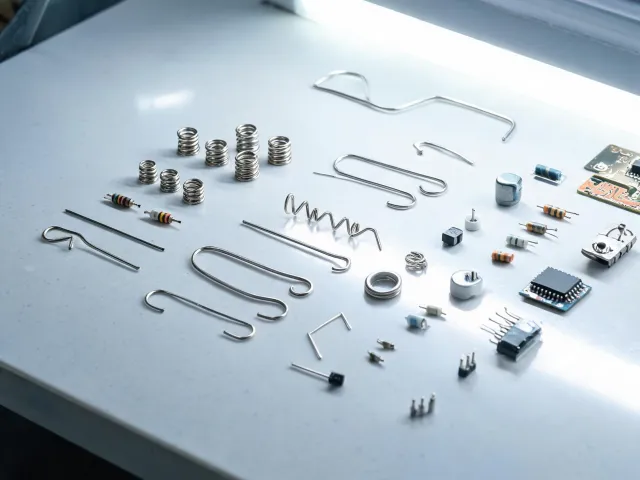
| Buyer input | Dimensions, load target, material preference and quantity window. | Drawing, sample, bend radii, contact points and inspection notes. |
| Documentation | Part number, material, finish and order-ready quote details. | Revision notes, tolerance review, packaging plan and production checkpoints. |
| Procurement goal | Reduce selection time and keep spares moving. | Lock a repeatable formed component before scale-up. |
Workflow timeline
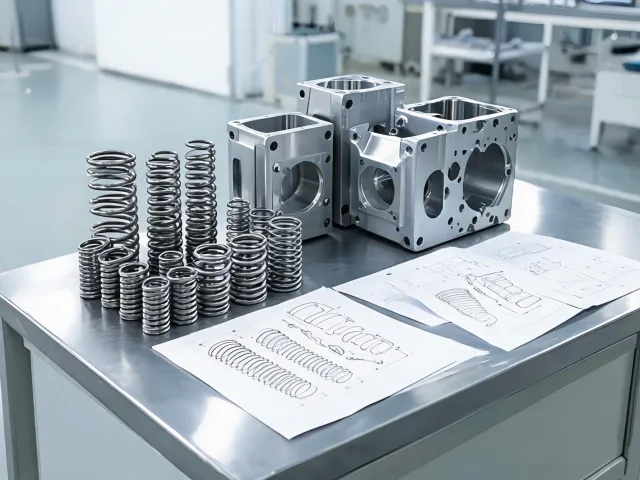
Free length, working travel, load points, outside diameter and surrounding hardware are recorded before a recommendation is made.
Music wire, stainless spring steel, corrosion exposure, operating temperature and surface finish are reviewed against the application risk.
The request is converted into part references, drawings, sample notes or quote details that purchasing and engineering can both read quickly.
Packaging, labeling, inspection expectations and reorder timing are aligned so the part can keep moving after the first release.
Spring request